

Ativan Clinical Uses
This drug is used to treat severe, persistent seizures (status epilepticus). Additionally, it is utilized before to surgeries or procedures to induce sleepiness, reduce anxiety, and induce forgetfulness. Lorazepam is a member of the group of drugs known as benzodiazepines, which have a relaxing effect on the central nervous system and brain. It is believed to function by amplifying the effects of GABA, a naturally occurring neurotransmitter in the brain. Ativan dosage for anxiety
Ativan Dosage
Age Range: 1.0 – 18.0 years ( 30 – 6,569 days )
Form Dose: 0.0025 to 0.3 milliliter/kilogram/day
Metric Dose: 0.01 to 1.2 milligram/kilogram/day
Note: Weight is required.
Age Range: 18.0 – 65.0 years ( 6,570 – 23724 days )
Form Dose: 0.125 to 3 milliliter
Metric Dose: 0.5 to 12 milligram
Age Range: 65.0 – 110.0 years ( 23725 – 40140 days )
Form Dose: 0.063 to 3 milliliter
Metric Dose: 0.25 to 12 milligram
Ativan Administration
Also see the section about warnings. As instructed by your physician, this drug is administered by injection into a vein or muscle. Your age, treatment response, and medical condition all influence the dosage. Consult your healthcare provider for complete preparation and administration instructions if you are administering this medication to yourself at home. Check for particles or discolouration before using this product. Don’t use the liquid if either is present. Find out how to properly store and dispose of medical supplies. Do not abruptly discontinue using this medication without first talking to your physician. Abrupt cessation of this medication may exacerbate certain conditions. It could be necessary to gradually reduce your dosage.Long-term usage of this drug may reduce its effectiveness. If this drug is no longer effective, consult your physician. Despite helping a lot of people, this drug can occasionally lead to addiction. If you suffer from a substance use disorder, such as an addiction to alcohol or drugs, your risk may be increased. To reduce the danger of addiction, take this medication exactly as directed. For further information, consult your physician or pharmacist. If your issue persists or worsens, let your doctor know.
Label Warnings
WARNING: Before using this medication with opioids (such as codeine, morphine, or oxycodone), see your physician. There could be severe sleepiness or respiratory issues. may make you feel sleepy and lightheaded. Marijuana and alcohol may exacerbate this impact. When using machinery, a vehicle, or a vessel (like a boat), exercise caution. You should talk to your doctor or pharmacist about using this medicine if you are pregnant or thinking about getting pregnant. Store in the refrigerator. Avoid freezing. Throw away any leftover material after the expiration date of
Indications
Fda Approved:
Certain:
Somewhat Certain:
- preoperative anxiety
- status epilepticus
Uncertain:
- induce anterograde amnesia
- sedation as adjunct to anesthesia
Non Fda Approved:
Certain:
Somewhat Certain:
Uncertain:
- alcohol withdrawal delirium
- alcohol withdrawal syndrome
- cancer chemotherapy-induced nausea and vomiting
- general anesthesia adjunct
- mania associated with bipolar disorder, adjunct treatment
- prevention of cancer chemotherapy-induced nausea and vomiting
- sedation in intubated patient
- seizure disorder
Clinical Uses:
This drug is used to treat severe, persistent seizures (status epilepticus). Additionally, it is utilized before to surgeries or procedures to induce sleepiness, reduce anxiety, and induce forgetfulness. Lorazepam is a member of the group of drugs known as benzodiazepines, which have a relaxing effect on the central nervous system and brain. It is believed to function by amplifying the effects of GABA, a naturally occurring neurotransmitter in the brain.
Off Label Uses:
This section includes uses for this medication that may be recommended by your healthcare provider but are not included in the approved professional labeling for the medication. Use this medication only if your healthcare provider has prescribed it for a condition described in this section. This medication may also be used to lower the risk of nausea and vomiting in chemotherapy patients or to induce drowsiness in those who require a tube and machine to assist with breathing (intubated). Delirium, a mental/mood illness, may also be treated with it.
Warning
severe warning
- alcohol intoxication
- hepatic encephalopathy
- pregnancy
Moderate warning
- asthma
- chronic obstructive
- pulmonary disease
- disease of liver
- drug abuse
- hypoalbuminemia
- severe hepatic disease
- severe renal impairment
- sleep apnea
- suicidal ideation
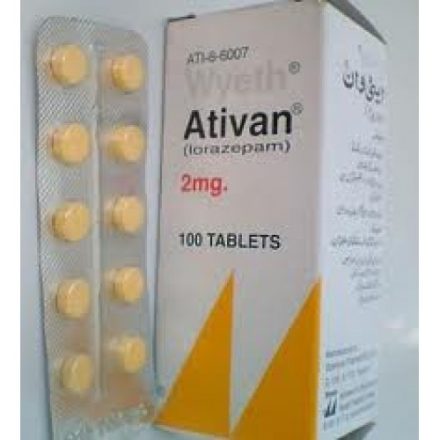
Side Effect of Ativan
common sife effect
- Ataxia
- Dizziness
- Drowsy
- Dyspepsia
- Sedation
- Slurred speech
- Acute cognitive impairment
- Behavioral disorders
- CNS depression
- Aggressive behavior
- Agitation
- Alopecia
- Anorexia
- Anticholinergic toxicity
- Blurred vision
- Complex sleep behavior
- Concentration difficulty
- Conjunctivitis
- Constipation
- Cramps
- Delirium
- Depersonalization
- Diplopia
- Disturbance in thinking
- Dream disorder
- Dysarthria
- Dysuria
- Excitement
- Glossitis
- Headache disorder
- Hiccups
- Irritability
- Libido changes
- Menstrual disorder
- Nausea
- Nervousness
- Nightmares
- Nystagmus
- Paranoid disorder
- Polydipsia
- Pruritus of skin
- Sialorrhea
- Sleep disorder
- Stomatitis
- Syncope
- Tachycardia
- Tremor
- Urinary incontinence
- Vertigo
- Visual changes
- Xerostomia
- Yawning
serious side effect
- Muscle weakness
- Acute cognitive
- impairment
- Behavioral disorders
- CNS depression
- Abnormal hepatic
- function tests
- Accidental fall
- Agranulocytosis
- Anaphylaxis
- Anemia
- Angioedema
- Aplastic anemia
- Apnea
- Coma
- Depression
- Drug dependence
- Drug-induced psychosis
- Dyspnea
- Eosinophilia
- Hallucinations
- Hemolytic anemia
- Hostility
- Hypotension
- Jaundice
- Leukocytosis
- Leukopenia
- Manic disorder
- Memory impairment
- Neutropenic disorder
- Respiratory depression
- Seizure disorder
- Skin rash
- Sleep walking disorder
- Suicidal ideation
- Thrombocytopenic
- disorder
- Urinary retention
Drug Interactions
Drug interactions can alter how your prescription drugs function or raise your chance of experiencing severe adverse effects. Not every potential drug interaction is included in this publication. Make a list of everything you use, including herbal remedies and prescription and over-the-counter medications, and give it to your doctor and pharmacist. Without your doctor’s permission, never start, stop, or alter the dosage of any medication. Products like clozapine, haloperidol, kava, loxapine, orlistat, and sodium oxybate (sometimes called gamma hydroxybutyrate, or GHB) may interact with this medication. Combining this drug with other products that may also cause drowsiness or respiratory issues may raise the chance of serious side effects (such as shallow or slow breathing, extreme drowsiness, or dizziness). Inform your physician or pharmacist about any additional products you take, such as alcohol, marijuana (cannabis), opioid pain or cough relievers (codeine, hydrocodone), other medications for anxiety or sleep (alprazolam, diazepam, zolpidem), muscle relaxants (carisoprodol, cyclobenzaprine), or antihistamines ( cetirizine, diphenhydramine). Ativan dosage for anxiety
Storage Requirements
Keep out of direct sunlight and in the refrigerator, or follow your pharmacist’s instructions. Avoid freezing. Keep kids and animals away from all drugs. Unless directed otherwise, do not pour drugs into a drain or flush them down the toilet. When this product expires or is no longer needed, dispose of it properly. Speak with your local garbage disposal company or pharmacy.

admin
all author postsRelated posts
Onlangs gespeelde spellen bij Duel Casino
- Posted on
- 0