

What is Ativan?
Ativan, often known as lorazepam, is a member of the benzodiazepine drug class. Benzodiazepines are believed to function by increasing the activity of specific neurotransmitters in the brain. Ativan for insomnia
Ativan is used to treat anxiety problems in both adults and children who are at least 12 years old.
Additionally, sleeplessness brought on by anxiety or transient situational stress is treated with ativan.
Ativan is occasionally used to manage agitation brought on by alcohol withdrawal and to alleviate nausea and vomiting brought on by cancer treatment.
Before taking this medicine
Ativan should not be used if you have:
- glaucoma with a narrow angle; or
- a history of benzodiazepine allergies, including those to lorazepam, alprazolam, diazepam, Valium, Xanax, Versed, Klonopin, and others.
Inform your Doctor if you have ever experienced any of the following to ensure Ativan is safe for you:
- asthma, chronic obstructive pulmonary disease (COPD), sleep apnea, or other breathing disorder;
- drug or alcohol addiction;
- depression, mental illness or psychosis, mood changes, or suicidal thoughts or actions;
- seizures;
- an allergy to aspirin or yellow food dye; or
- kidney or liver disease.
If you are or intend to become pregnant, let your doctor know. If you use Ativan while pregnant, your unborn child may have potentially fatal withdrawal symptoms and require weeks of medical care.
In order to monitor the effects of lorazepam on the unborn child, your name may be added to a pregnancy registry.
Breastfeeding is not recommended.
If you breastfeed, let your doctor know if you observe sleepiness, difficulty eating, or sluggish weight growth in the nursing infant.
Warnings
If you have recently taken an opioid prescription, alcohol, or other substances that slow breathing, Ativan may cause your breathing to slow or stop. These consequences may be lethal.
ATIVAN MISUSE CAN LEAD TO DEATH, OVERDOSE, AND ADDICTION. Keep this medication out of the reach of others.
Lorazepam should only be used by the individual for whom it was prescribed because it has the potential to become addictive. Never give Ativan to someone else, especially if they have a history of drug addiction or abuse.
Never discontinue taking Ativan without first consulting your physician. If you abruptly stop taking the medication after long-term use, you can experience potentially fatal withdrawal symptoms. Withdrawal symptoms can persist for up to a year or more.
If you stop taking Ativan and experience symptoms like strange muscular movements, increased activity or talkativeness, abrupt and severe changes in mood or behavior, confusion, hallucinations, seizures, or suicidal thoughts, get medical care immediately. Ativan for insomnia
If you are pregnant, avoid using Ativan. In a newborn, lorazepam may result in birth abnormalities or potentially fatal withdrawal symptoms.
If you have myasthenia gravis, severe respiratory insufficiency, narrow-angle glaucoma, or an allergy to Valium or a comparable medication, you should not use this medication.
Dosage and Administration
Age Range: 1.0 – 18.0 years ( 30 – 6,569 days )
Form Dose: 0.0025 to 0.3 milliliter/kilogram/day
Metric Dose: 0.01 to 1.2 milligram/kilogram/day
Note: Weight is required.
Age Range: 18.0 – 65.0 years ( 6,570 – 23724 days )
Form Dose: 0.125 to 3 milliliter
Metric Dose: 0.5 to 12 milligram
Age Range: 65.0 – 110.0 years ( 23725 – 40140 days )
Form Dose: 0.063 to 3 milliliter
Metric Dose: 0.25 to 12 milligram
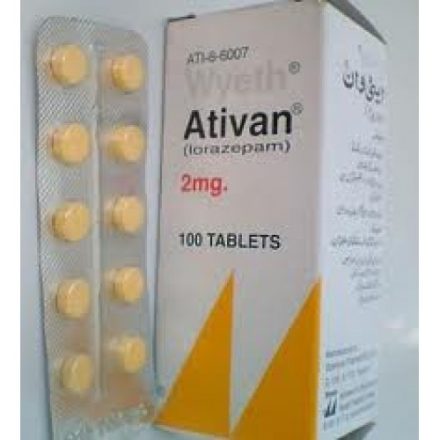
What happens if I overdose?
Contact the Poison Help line at 1-800-222-1222 or seek emergency medical treatment. If you also consume alcohol or take other medications that induce sleepiness or slow breathing, a lorazepam overdose may be lethal.
Severe sleepiness, disorientation, slurred speech, restlessness, muscle weakness, loss of balance or coordination, lightheadedness, slow heartbeats, shallow or weak breathing, or coma are all possible signs of an overdose.
What should I avoid while taking Ativan?
Avoid consuming alcohol. There could be fatal consequences or dangerous adverse effects.
Until you understand how Ativan will effect you, stay away from driving and dangerous activities. Falls, mishaps, or serious injuries can result from drowsiness or dizziness.
Side effects of ativan
If you experience symptoms of an Ativan allergic reaction, such as hives, breathing difficulties, or swelling of the face, lips, tongue, or throat, get emergency medical attention. Ativan for insomnia
Your respiration may be slowed or stopped by lorazepam, particularly if you have recently used alcohol or an opioid prescription. If you have blue lips, slow breathing with extended pauses, or difficulty waking up, the person taking care of you should get emergency medical attention.
Serious adverse effects are possible with Ativan. Contact your physician right away if you have:
- severe drowsiness;
- unusual changes in mood or behavior, being agitated or talkative;
- sudden restless feeling or excitement;
- seizures, depression, thinking problems, thoughts of suicide or hurting yourself;
- confusion, aggression, hallucinations;
- sleep problems (insomnia);
- vision changes; or
- dark urine, or jaundice (yellowing of the skin or eyes).
Common Ativan side effects may include:
- dizziness, sedation, drowsiness;
- weakness; or
- feeling unsteady.
Regular blood tests are necessary to monitor liver function and blood counts.
If you experience symptoms like abnormal muscular movements, increased activity or talkativeness, abrupt and severe changes in mood or behavior, disorientation, hallucinations, seizures, or suicidal thoughts or actions after stopping Ativan, get medical care immediately.
After abruptly discontinuing Ativan, some withdrawal symptoms may persist for a full year or more. If you have persistent anxiety, depression, memory or cognitive issues, difficulty falling asleep, ringing in your ears, a burning or prickly feeling, or a crawling sensation beneath your skin, let your doctor know.
There may be other side effects; this is not an exhaustive list. For medical advice on side effects, give your doctor a call. You can call the FDA at 1-800-FDA-1088 to report negative effects.
