

Why am I using VYVANSE?
how does vyvanse work Lisdexamfetamine dimesilate, the primary component of VYVANSE, is inactive on its own (such medications are commonly referred to as pro-drugs). The active component of VYVANSE, dexamphetamine, is produced in the blood after consumption. VYVANSE is a stimulant for the central nervous system. how does vyvanse work
VYVANSE is applied to:
Attention Deficit Hyperactivity Disorder (ADHD). In ADHD patients, VYVANSE improves focus and reduces impulsivity and hyperactivity.
Binge eating disorder (BED). For patients with moderate to severe BED, VYVANSE may help lower the frequency of binge eating days.
is not for Weight loss .
Children with ADHD under the age of six and patients with BED under the age of eighteen should not take it. VYVANSE should be utilized in conjunction with a comprehensive treatment plan, which often consists of social, educational, and psychiatric therapy. Only a psychiatrist should prescribe VYVANSE for BED as part of an all-encompassing treatment plan.
Before using VYVANSE, what should I know?
Warnings
Avoid using VYVANSE if you :
- have a disease of the arteries due to cholesterol deposits e.g. atherosclerosis
- are allergic to amphetamines, or any of the ingredients listed at the end of this leaflet. Always check the ingredients to
- make sure you can use this medicine.
- have heart disease such as angina or myocardial infarction (heart attack)
- have moderate to severe high blood pressure
- have hyperthyroidism (hyperactive thyroid)
- have an eye condition called glaucoma
- have a tumour of the adrenal gland tissue (phaeochromocytoma)
- have tics (muscle twitching usually in the face and shoulders)
have Tourette’s syndrome - have severe depression, suicidal ideation or behaviour, thoughts or acts of self-harm or mental illness
- have periods of severe anxiety, tension or agitation
- suffer with drug dependence or abuse alcohol
- are taking or have taken an antidepressant called a monoamine oxidase inhibitor (MAOI) within the past 14 days.
Consult your doctor if you:
- take any medicines for any other condition
- have any other medical conditions or heart problems, including ischaemic heart disease (such as angina or myocardial infarction), suspicion or presence of any cardiac or heart-related abnormalities, irregular heartbeats or rate, family history of sudden/cardiac death
- have a family or medical history of irregular heart rhythm (visible on an electrocardiogram), or if you have a disease and/or take a treatment that make(s) you prone to heartbeat irregularities or salt imbalances
- suffer from blood pressure and/or taking medications to treat blood pressure
- disorders of the blood vessels of the brain e.g. stroke
- suffer from depression, bipolar disorder, or schizophrenia or other mental illness
- have liver or kidney disease. Your doctor may lower the dose if you have kidney disease.
- have epilepsy or other seizures or have had an abnormal brain wave test (EEG)
- have circulation problems in fingers and toes
- are experiencing growth difficulties.
Before taking certain radioactive imaging medications, your doctor might advise you to temporarily cease taking VYVANSE. Certain medications have the potential to lower the quality of the image captured during an imaging process.
You may experience certain negative effects while undergoing treatment. It’s critical that you comprehend these risks and know how to keep an eye out for them. how does vyvanse work
side effects
Any medication may cause adverse effects. The majority of side effects are mild and transient if you do have any. However, some adverse effects can require medical care.
If you have any more questions concerning side effects, review the information below and consult your doctor or pharmacist.
Less serious side effects
- decreased or loss of appetite
- trouble sleeping
- headache
- dry mouth
- feeling agitated, anxious, or irritable
- feeling tired, sleepy
- decreased sex drive, erectile dysfunction
- weight loss
- upper belly pain
- nausea, vomiting, diarrhoea
- involuntary clenching or grinding of the teeth
- excessive sweating
Obsessive-compulsive disorder (OCD) (including irresistible urge to pull out body hair, skin picking, having repeated unwanted thoughts, feelings, images or urges in your mind (obsessive thoughts), performing repeated behaviours or mental rituals (compulsions)) - excessive widening of
- the pupil
- dry eyes
- aggression, mood swings, feeling jittery
- dizziness, restlessness, excessive motor activity with or without feelings of restlessness, tic, tremor
- rapid heartbeat (tachycardia), palpitations, increased blood pressure, sudden chest pain, shortness of breath or fainting
- rash, fever
- circulation problems in fingers and toes (peripheral vasculopathy, including Raynaud’s phenomenon): Fingers or toes may feel numb, cool, painful; change colour or have sensitivity to temperature
- a less than normal height or weight for your child age group may result with long term use.
- nosebleeds
Serious side effects
- allergic reaction which may result in a rash or more rarely to a sharp drop in blood pressure, difficulty breathing, and hives/itching (anaphylactic reaction)
- chest pain or tightness in the chest
- shortness of breath
- irregular heartbeat
- seizures (fits)
- vision problems
- mood changes such as depression or irritability
- new or worsening aggressive behaviour
- excitement, overactivity and uninhibited behaviour
- confusion, delusion or hallucinations (seeing or feeling things that are not really there)
- abnormal thinking (psychosis)
- sudden, severe belly pain
- suicidal thoughts or behaviour. how does vyvanse work
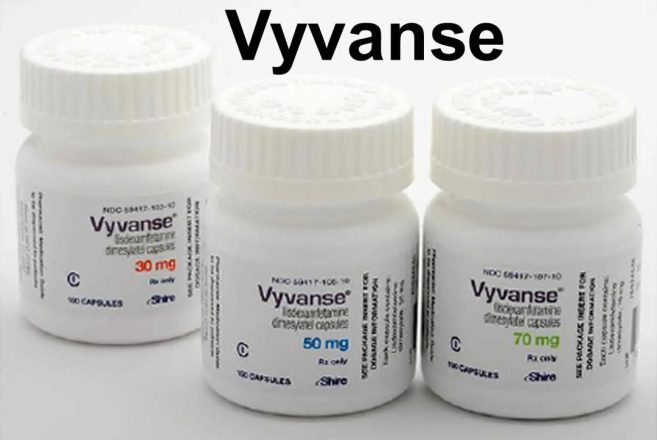
How to take VYVANSE
- You can take VYVANSE with or without food.
- You can open the VYVANSE capsule and transfer all of the powder into a soft food, like yogurt, water, or orange juice, if you have problems swallowing capsules.
- To acquire all of the medication, use all of the VYVANSE powder from the capsule.
- Break apart any powder that has clumped together with a spoon. Mix the yogurt, water, or orange juice with the VYVANSE powder until well combined.
- After mixing, immediately drink all of the yogurt, water, or orange juice. Once the yogurt, water, and orange juice have been combined with VYVANSE, do not keep them.
- If a film or residue remains in the glass or container afterward, don’t panic; this isn’t the active ingredient.
- Your doctor may occasionally halt VYVANSE therapy for a period of time in order to assess your BED symptoms or your child’s ADHD.
What should I know while using VYVANSE?
Things you should do
- VYVANSE ought to be taken first thing in the morning.
- Ensure that all of your physicians, dentists, ophthalmologists, psychologists, and pharmacists are aware that you or your kid are taking VYVANSE. If any new medications are about to be begun, let them know.
- Like any stimulants, VYVANSE has the potential to develop a habit and be misused by certain individuals. This shouldn’t occur now or in the future if you take it as prescribed by your physician.
- Keep all of your doctor’s appointments so that your child’s or your own progress can be monitored.
- Your doctor will want to check your child’s pulse and blood pressure.
- Your doctor will determine whether you have cardiac disease and perform additional cardiac testing if there is a family history of sudden or cardiac death.
- While using this medication, your doctor may keep a careful eye on your height and weight.
- If you or your child becomes pregnant while taking VYVANSE, notify your doctor right away. how does vyvanse work
Things you should not do
- Do not alter the dosage or discontinue medication without first seeing your physician.
- Even if someone else has the same problem as you or your child, do not provide VYVANSE to them. Another person may not be able to safely take VYVANSE.
- Unless directed by your physician, do not use VYVANSE to treat any other symptoms. Using VYVANSE for another issue might not be safe.
- Never use VYVANSE for longer than your doctor has advised.
