- +1(862) 239-4671
- support@buyviraldrugstore.com
- Mon - Sun: 8:00 - 18:30


✕
Common brands: Seroquel . Quetiapine for schizophrenia
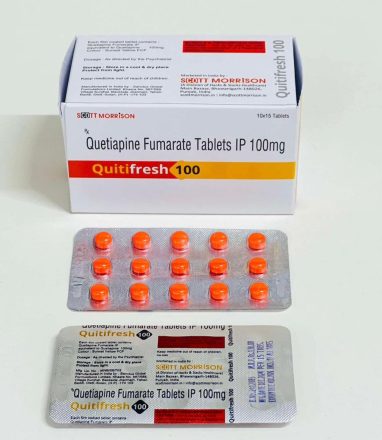
Quetiapine is a medication used to treat severe depression, bipolar disorder, and schizophrenia. It can only be obtained with a prescription. Quetiapine is a medicine called an antipsychotic.
It can be applied to:
It can also be used to treat severe depression in conjunction with other medications.
Typically, quetiapine is sold in swallowable tablets. Additionally, there is a liquid (oral suspension).
The reason for taking it will determine how much you need to take.
Typically, you’ll begin with a low dosage and raise it over the course of the first few days. After then, it can be changed until you discover a dosage that suits you.
When quetiapine is taken:
Make sure you always read the leaflet or package that comes with your medication. If you have any concerns or are unsure about how to take it, consult a doctor or pharmacist. Quetiapine for schizophrenia
Unless it’s almost time for your next dose, take your quetiapine as soon as you recall.
When your next dose is almost due, skip the one you missed and take it at the regular time.
Never take two doses to make up for one that you missed.
Because quetiapine can occasionally be harmful, it’s critical to get medical guidance if you take too much of it.
Don’t drive if you’re ordered to go to A&E. Request a ride or dial 999 to request an ambulance.
Bring any leftover medication, the quetiapine container or leaflet, and any other medications you take. Quetiapine for schizophrenia
For as long as your doctor recommends, continue taking quetiapine.
It may create withdrawal symptoms, so don’t stop taking it abruptly.
Your dosage will typically need to be progressively lowered if your doctor recommends that you stop taking it. Always heed the advise of your physician.
Quetiapine can have side effects, much like any medication, albeit not everyone experiences them.
Common side effects
After taking quetiapine, if you have drowsiness, dizziness, or sleepiness, avoid using machinery, driving, or riding a bike until these symptoms are gone. Quetiapine for schizophrenia
Quetiapine is safe for most adults to take.
Children and young people under the age of 18 are typically not advised to use it. However, under a doctor’s supervision, children between the ages of 12 and 17 may occasionally receive it.
Not everyone should take quetiapine. You might not be able to take it, for instance, if
Inform your doctor of any medical issues you may have before taking quetiapine.
Certain medications, treatments, and supplements could not work well with quetiapine, such as:
Tell your doctor if you take any other medications, herbal remedies, vitamins, or supplements before starting quetiapine.
When taking quetiapine, avoid consuming grapefruit juice.
Alcohol might induce drowsiness, therefore it’s advisable to limit your intake. Quetiapine for schizophrenia
