

What is mirtazapine?
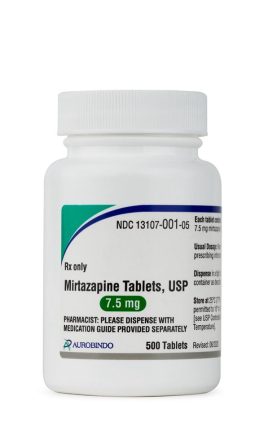
Depression is treated with mirtazapine. Mirtazapine is a member of the class of medications known as tetracyclic antidepressants. These medications strengthen specific neurotransmitters in the brain by acting on the central nervous system (CNS). Remeron for sleep
You can only get this medication with a prescription from your doctor.
The following dose formulations are available for this product:
Before Using
The benefits of a medication must be balanced against its hazards before choosing to use it. You and your physician will decide on this. The following should be taken into account when using this medication:
Allergies
If you have ever experienced an unusual or allergic reaction to this medication or any other medication, let your doctor know. You should also let them know if you have any other allergies, such as those to foods, dyes, preservatives, or animals. For over-the-counter products, carefully read the ingredients listed on the label or package.
Pediatric
The association between age and mirtazapine’s effects in children has not been adequately investigated. Efficacy and safety have not been shown.
Geriatric
The usefulness of mirtazapine in the elderly has not been limited by geriatric-specific issues, according to appropriate research conducted to date. However, elderly people are more likely to experience age-related liver, renal, or heart issues as well as confusion or unusual drowsiness, therefore individuals taking mirtazapine may need to be cautious and have their dosage adjusted.
Breastfeeding
There aren’t enough research on women to assess the harm to infants when using this medicine during nursing. Before using this drug while nursing, consider the possible advantages and disadvantages.
Proper Use
To improve your condition as much as possible, take this medication exactly as prescribed by your physician. Don’t take more of it, take it more frequently, or take it longer than your doctor prescribed. Remeron for sleep
There should be a Medication Guide with this medication. Carefully read and adhere to these directions. If you have any questions, ask your physician.
How to take the tablet that dissolves in the mouth:
- Before handling the tablet, make sure your hands are dry.
- Wait until you are prepared to take the tablet before opening the blister pack containing it.
- Avoid pushing the tablet through the package’s foil wrapping. Rather, remove the tablet by carefully peeling back the foil backing.
- Put the tablet on top of the tongue right away. Don’t split or shatter the tablet.
- You can swallow the tablet with your saliva once it dissolves in a matter of seconds. Water or other liquids are not required in order to consume the tablet.
Dosing
Each patient will receive a different dosage of this medication. Observe the label’s instructions or your doctor’s instructions. Only the typical dosages of this medication are included in the information that follows. If your dose is different, don’t adjust it unless your doctor instructs you to.
The strength of the medication determines how much of it you take. Additionally, the length of time you take the medication, the number of dosages you take daily, and the interval between doses all depend on the medical condition for which you are taking it. Remeron for sleep
- For oral dosage forms (orally disintegrating tablets, tablets):
For depression:
- Adults: Initially, take 15 mg once daily, ideally in the evening right before bed. If necessary, your doctor may change your dosage. However, the daily intake is often limited to 45 mg.
- Children: Your doctor must decide on the use and dosage.
Missed Dose
Take this medication as soon as you can if you miss a dose. On the other hand, omit the missed dose and resume your usual dosing plan if your next dose is almost due. Avoid taking two doses.
Storage
Keep out of children’s reach.
Don’t store out-of-date or unnecessary medications.
Find out from your healthcare provider how to get rid of any medications you don’t use.
The medication should be kept at room temperature in a closed container out of direct sunlight, heat, and moisture. Avoid freezing.
Until you are ready to use the oral disintegrating tablet, keep it in its original packaging. Remeron for sleep
Side Effects
A medication may have some undesirable side effects in addition to its necessary ones. Even though not all of these adverse effects are possible, they might require medical care if they do.
If you have any of the following side effects, contact your doctor right away:
Less common
- Decreased or increased movement
- mood or mental changes, including abnormal thinking, agitation, anxiety, confusion, and feelings of not caring
- skin rash
- swelling
- trouble breathing
Rare
- Change in menstrual cycle (periods)
- chills
- decreased sexual ability
- fever
- menstrual pain
- mood or mental changes, including anger, feelings of being outside the body, mood swings, and unusual excitement
- mouth sores
- seeing, hearing, or feeling things that are not there
- seizures
- sore throat
More common
- Constipation
- dizziness
- drowsiness
- dry mouth
- increased appetite
- weight gain
Less common
- Abnormal dreams
- back pain
- dizziness or fainting when getting up suddenly from a lying or sitting position
- increased need to urinate
- increased sensitivity to touch
- increased thirst
- low blood pressure
- muscle pain
- nausea
- sense of constant movement of self or surroundings
- stomach pain
- trembling or shaking
- vomiting
Incidence not known
- Painful or prolonged erection of the penis
- swelling of the breasts or unusual milk production
Some patients may experience additional adverse effects not on this list. Consult your healthcare provider if you observe any further consequences.
For medical advice on side effects, give your doctor a call. You can call the FDA at 1-800-FDA-1088 to report negative effects.
Warnings
Tryptophan (also known as L-tryptophan) should not be used with mirtazapine.
If you have used an MAO inhibitor within the last 14 days, such as isocarboxazid, linezolid, methylene blue injection, phenelzine, tranylcypromine, and others, avoid using mirtazapine.
When taking antidepressants for the first time, some people experience suicidal thoughts. While taking mirtazapine, your doctor must monitor your progress at routine check-ups. Changes in your mood or symptoms should also be noticed by your family or other caretakers. Remeron for sleep
Without a doctor’s advice, do not administer this medication to anyone under the age of eighteen. Children are not permitted to use this medication.
Your symptoms might not get better for several weeks. If, after four weeks of treatment, your symptoms do not improve, continue taking the medication as prescribed and let your doctor know.
Alcohol use may exacerbate some mirtazapine adverse effects.
Mirtazapine may cause cognitive or behavioral problems. If you drive or engage in any activity that calls for alertness, exercise caution.
Don’t stop taking this medication suddenly. Consult your physician before discontinuing this medication.
