

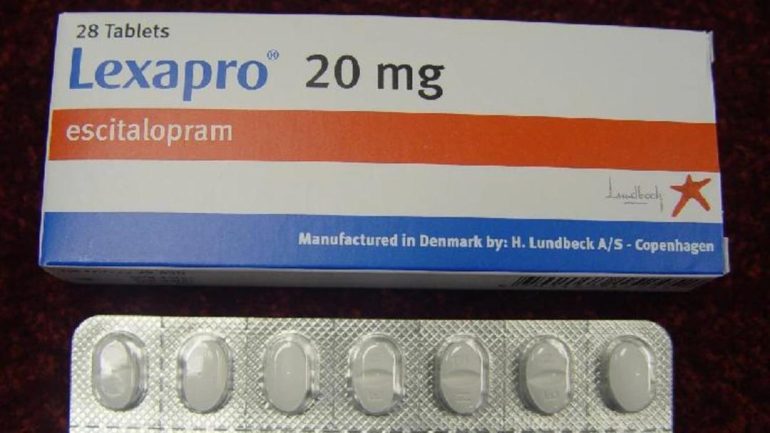
What is Lexapro?
Selective serotonin reuptake inhibitors (SSRIs) include the antidepressant Lexapro (escitalopram), which is used to treat specific forms of anxiety and depression. Although the exact mechanism of action of Lexapro is unknown, it is believed to prevent nerves from reabsorbing serotonin. Serotonin levels in the neuron synapse—the area between two nerves—increase as a result. Best antidepressant for anxiety
Warnings
If you also take citalopram (Celexa) or pimozide, you shouldn’t use Lexapro.
Lexapro should not be taken within 14 days after taking an MAO inhibitor, such as isocarboxazid, linezolid, methylene blue injection, phenelzine, rasagiline, selegiline, or tranylcypromine.
When using antidepressants for the first time, young individuals are more likely to experience suicidal thoughts. Keep an eye out for any shifts in your symptoms or mood. Any new or worsening mood problems in a kid should be reported to the doctor by parents or other caregivers. Additionally, keep an eye out for manic symptoms, such as extremely joyful or energetic behavior.
If you experience any of the symptoms of serotonin syndrome—such as agitation, hallucinations, fever, sweating, shivering, rapid heartbeat, muscle stiffness, twitching, lack of coordination, nausea, vomiting, or diarrhea—get medical help immediately away.
Sexual issues may arise with SSRIs, such as Lexapro. Male symptoms include diminished sex drive, difficulties achieving or maintaining an erection, and delayed or impossible ejaculation. Reduced sex drive, delayed orgasms, or the inability to achieve an orgasm are possible symptoms in females. If you experience any changes in your sexual function or if you have any questions or concerns about sexual issues while taking Lexapro, speak with your healthcare professional. Your healthcare physician might recommend certain therapies. Best antidepressant for anxiety
Before taking this medicine
If you have an allergy to citalopram (Celexa) or escitalopram, you should avoid using Lexapro.
You take pimozide as well.
Lexapro should not be used 14 days prior to or 14 days following the use of an MAO inhibitor. There could be a hazardous medication interaction. Isocarboxazid, linezolid, phenelzine, rasagiline, selegiline, and tranylcypromine are examples of MAO inhibitors.
Make sure your doctor is aware of any additional medications you use, such as stimulants, opioids, herbal items, or medications for depression, mental illness, Parkinson’s disease, migraine headaches, severe infections, or nausea and vomiting prevention. These medications have the potential to interact with escitalopram and result in serotonin syndrome, a dangerous illness.
To make sure Lexapro is safe for you, tell your doctor if you have ever had:
- liver or kidney disease;
- seizures;
- low levels of sodium in your blood;
- heart disease, high blood pressure;
- a stroke;
- bleeding problems;
- sexual problems;
- bipolar disorder (manic depression); or
- drug addiction or suicidal thoughts.
Inform your healthcare professional if you are nursing, pregnant, or planning to become pregnant.
When taking antidepressants for the first time, some young people experience suicidal thoughts. At routine checkups, your doctor should assess your progress. Changes in your mood or symptoms should also be noticed by your family or other caretakers. Best antidepressant for anxiety
No one under the age of twelve is permitted to use Lexapro.
Dosing information
Each patient will receive a different dosage of this medication. Observe the label’s instructions or your doctor’s instructions. Only the typical dosages of this medication are included in the information that follows. If your dose is different, don’t adjust it unless your doctor instructs you to.
The strength of the medication determines how much of it you take. Additionally, the length of time you take the medication, the number of dosages you take daily, and the interval between doses all depend on the medical condition for which you are taking it.
For oral dosage forms (solution or tablets):
Take For depression:
- Adults and children 12 years of age and older—10 milligrams (mg) once a day, taken either in the morning or evening. Your doctor may adjust your dose as needed. However, the dose is usually not more than 20 mg per day.
- Older adults—10 mg once a day, taken either in the morning or evening.
- Children younger than 12 years of age—Use and dose must be determined by your doctor.
We take For generalized anxiety disorder:
- Adults and children 7 years of age and older—At first, 10 milligrams (mg) once a day, taken either in the morning or evening. Your doctor may adjust your dose as needed. However, the dose is usually not more than 20 mg per day.
- Older adults—10 mg once a day, taken either in the morning or evening.
Children younger than 7 years of age—Use and dose must be determined by your doctor.
Lexapro side effects
Common side effects of Lexapro may include:
- painful urination;
- dizziness, drowsiness,
- tiredness, weakness;
- feeling anxious or agitated;
- increased muscle
- movements, feeling shaky;
- sleep problems (insomnia);
- sweating, dry mouth, increased thirst, loss of appetite;
- nausea, constipation;
- yawning;
- nosebleed, heavy menstrual periods; or
- decreased sex drive, impotence, or difficulty having an orgasm.
Serious side effects
If you have symptoms of an allergic response to Lexapro, such as skin rash or hives, breathing difficulties, or swelling of your face, lips, tongue, or neck, get immediate medical attention.
Tell your doctor about any new or worsening symptoms, such as changes in mood or behavior, anxiety, panic attacks, difficulty sleeping, or feelings of impulsivity, irritability, agitation, hostility, aggression, restlessness, hyperactivity (either physically or mentally), increased depression, or suicidal or self-harming thoughts.
Lexapro may cause serious side effects. Call your doctor at once if you have:
- blurred vision, tunnel vision, eye pain or swelling, or seeing halos around lights;
- racing thoughts, unusual risk-taking behavior, feelings of extreme happiness or sadness;
- pain or burning when you urinate;
- (in a child taking Lexapro) slow growth or weight gain;
- low levels of sodium in the body – headache, confusion, slurred speech, severe weakness, vomiting, loss of coordination, feeling unsteady; or
- severe nervous system reaction – very stiff (rigid) muscles, high fever, sweating, confusion, fast or uneven heartbeats, tremors, feeling like you might pass out.
There may be other adverse effects; this is not an exhaustive list. For medical advice on side effects, give your doctor a call. You can call the FDA at 1-800-FDA-1088 to report negative effects. Best antidepressant for anxiety
Popular FAQ
Why does Lexapro (escitalopram) cause weight gain? Complete Patient Guide ?
Up to 25% to 41% of people on the antidepressant drug Lexapro experience weight increase; however, this weight gain is typically very little, averaging between 1% and 3.7%. The drug’s effect on serotonin levels in the brain is the main cause of the weight gain linked to Lexapro. Although Lexapro effectively increases serotonin availability to help treat anxiety and depression by blocking the serotonin transporter, this same action may cause undesirable changes in metabolism and hunger.
When’s the best time to take Lexapro (escitalopram) – Morning or Night?
Usually taken once daily, Lexapro (escitalopram) can be taken either in the morning or at night.
The ideal time to take Lexapro is:
- If you have difficulties falling asleep after taking your dose, suffer insomnia, or experience sleep disturbances, take Lexapro first thing in the morning.
- Lexapro makes you feel sleepy, exhausted, or sedated during the day, take it at night.
- If you have night sweats or heavy sweating at night, switch to morning dosage. Sweating during the day may happen, although many patients find it more bearable.
How long does it take for Lexapro (escitalopram) to work?
It may take many weeks for Lexapro to start functioning, even though it only takes a few hours to raise serotonin levels in the brain. Improvements in your energy, appetite, or sleep are indicators that Lexapro has begun to act. This could occur in as little as one or two weeks for some people. It may take up to six or eight weeks for symptoms like depression or a lack of interest in once-enjoyed activities to completely subside.
Does Lexapro (escitalopram) cause night sweats?
One of the most frequent adverse effects of Lexapro, reported by 3% to 8% of users (depending on the dosage), is increased sweating both during the day and at night. Night sweats can be concerning, but they normally go away as your body and brain get used to the drug.

admin
all author postsRelated posts
Elementor #3140
- Posted on
- 0
Elementor #3128
- Posted on
- 0
Elementor #3119
- Posted on
- 0
Elementor #3109
- Posted on
- 0