

How long does Lexapro take to work?
Escitalopram, or Lexapro, takes time to start working. The majority of patients experience progressive improvement over a few weeks. Escitalopram for depression
This is an example of a timeline:
- Within a week or two, some people report minor gains like increased energy, better sleep, or a little decrease in anxiety.
- Many patients report a marked improvement in their anxiety or depression symptoms after four to six weeks.
- Six to eight weeks later: Although some patients may require a little more time, the medicine usually achieves its full therapeutic benefit.
If you don’t feel better right away
During the first several weeks, it’s typical to not see any progress. Before the advantages become noticeable, some persons may even encounter brief adverse effects. It’s crucial to continue taking the medication as prescribed until your doctor instructs you otherwise.
Factors that can affect how quickly it works
- The condition being treated, such as generalized anxiety disorder or depression
- Your recommended dosage
- How regularly you take it
- Individual variations in your body’s reaction
What is this Escitalopram ?
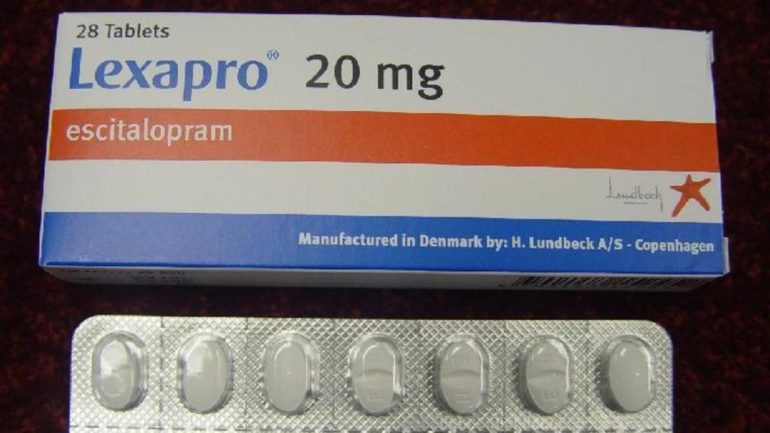
Escitalopram is marketed under the brand name Lexapro®. By raising serotonin levels in the brain, it reduces anxiety and sadness. One hormone that aids in mood regulation is serotonin.
It is a member of the class of drugs known as SSRIs.
Ask your doctor or pharmacist if you have any questions about the potential uses of this medication.
What should I tell my care team before I take this medication?
They need to know if you have any of these conditions:
- Bipolar disorder or a family history of bipolar
- disorder
- Diabetes
- Glaucoma
- Heart disease
- Kidney disease
- Liver disease
- Receiving electroconvulsive therapy
- Seizures
- Suicidal thoughts, plans, or attempt by you or a family member
- An unusual or allergic reaction to escitalopram, other medications, foods, dyes, or preservatives
- Pregnant or trying to become pregnant
- Breastfeeding
How should I use this medication?
Take this medicine orally along with a glass of water. Take it at the same time each day as instructed on the prescription label. It can be taken with or without food. Take it with food if it bothers your stomach. Don’t take it more frequently than prescribed. Unless your care team advises you otherwise, do not abruptly stop taking this drug. If you stop taking this drug too soon, you risk serious side effects or worsening of your illness.
With every prescription and refill, the pharmacist will provide you with a unique MedGuide. Every time, make sure to properly read this information.
Discuss the usage of this drug in children with your care team. It might be necessary to take extra care.
Overdosage: Get in touch with an emergency department or poison control center right away if you believe you have taken too much of this medication. Escitalopram for depression
NOTE: You are the only one who should take this medication. Don’t give this medication to anyone else.
What should I watch for while using this medication?
If your symptoms worsen or do not improve, let your care team know. Regularly check in with your care team to see how you are doing. It’s crucial to stick to your treatment plan as directed by your care team because it can take a few weeks to see the full effects of this medicine.
Keep an eye out for any new or worsening suicidal or depressive ideas. This includes abrupt shifts in thoughts, feelings, or actions. Although these changes can occur at any moment, they are more frequent at the start of treatment or following a dose adjustment. If your depression worsens or you have these thoughts, give your care team a call immediately.
Changes in mood and behavior, including anxiety, nervousness, irritability, anger, restlessness, excitability, hyperactivity, or difficulty sleeping, may be brought on by this medicine. Although these changes can occur at any moment, they are more frequent at the start of treatment or following a dose adjustment. If you have any of these symptoms, give your care team a call immediately.
Your judgment, coordination, and reaction speed may be impacted by this medicine. Until you understand how this drug affects you, avoid using machinery or driving. To lessen the chance of lightheadedness or fainting episodes, sit up or stand gently. Alcohol use while taking this medicine may make these side effects more likely. Escitalopram for depression
What side effects can this medicine cause for me?
The following side effects should be reported as soon as possible to your care team:
- Allergic reactions—skin rash, itching, hives, swelling of the face, lips, tongue, or throat
- Bleeding—bloody or black, tar-like stools, red or dark brown urine, vomiting blood or brown material that looks like coffee grounds, small, red or purple spots on skin, unusual bleeding or bruising
- Heart rhythm changes—fast or irregular heartbeat, dizziness, feeling faint or lightheaded, chest pain, trouble breathing
- Low sodium level—muscle weakness, fatigue, dizziness, headache, confusion
- Serotonin syndrome—irritability, confusion, fast or irregular heartbeat, muscle stiffness, twitching muscles, sweating, high fever, seizure, chills, vomiting, diarrhea
- Sudden eye pain or change in vision such as blurry vision, seeing halos around lights, vision loss
- Thoughts of suicide or self-harm, worsening mood, feelings of depression
Generally speaking, the following side effects don’t need medical attention; nevertheless, if they persist or become troublesome, let your care team know:
- Change in sex drive or
- performance
- Diarrhea
- Excessive sweating
- Nausea
- Tremors or shaking
- Upset stomach
Not every potential side effect may be included by this list. For medical advice on side effects, give your doctor a call. You can call the FDA at 1-800-FDA-1088 to report negative effects. Escitalopram for depression
What may interact with this medication?
Do not take this medication with any of the following:
- Certain medications for fungal infections, such as fluconazole, itraconazole, ketoconazole, posaconazole, voriconazole
- Cisapride
- Citalopram
- Dronedarone
- Linezolid
- MAOIs, such as Carbex, Eldepryl, Marplan, Nardil, and Parnate
- Methylene blue (injected into a vein)
- Pimozide
- Thioridazine
This medication may also interact with the following:
- Alcohol
- Amphetamines
- Aspirin and aspirin-like medications
- Carbamazepine
- Certain medications for mental health conditions
- medications for migraine headache, such as almotriptan, eletriptan, frovatriptan, naratriptan, rizatriptan, sumatriptan, zolmitriptan
- Certain medications for sleep
- Certain medications that treat or prevent blood clots, such as warfarin, enoxaparin, dalteparin
- Cimetidine
- Diuretics
- Dofetilide
- Fentanyl
- Furazolidone
- Isoniazid
- Lithium
- Metoprolol
- NSAIDs, medications for pain and inflammation, such as ibuprofen or naproxen
- Other medications that cause heart rhythm changes
- Procarbazine
- Rasagiline
- Supplements, such as St. John’s wort, kava kava, valerian
- Tramadol
- Tryptophan
- Ziprasidone
Not all potential interactions may be covered by this list. Make a note of all the medications, herbs, over-the-counter medications, and nutritional supplements you take. Additionally, let them know if you use illegal substances, smoke, or consume alcohol. Certain things might interfere with your medication. Escitalopram for depression

admin
all author postsRelated posts
Elementor #3140
- Posted on
- 0
Elementor #3128
- Posted on
- 0
Elementor #3119
- Posted on
- 0
Elementor #3109
- Posted on
- 0