

Can quetiapine cause low blood pressure?
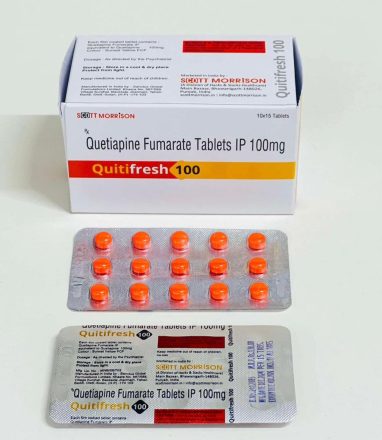
QUETIAPINE (kwe TYE a peen) is used to treat bipolar disorder and schizophrenia. Additionally, it can be used to treat depression in conjunction with antidepressant drugs. It functions by restoring equilibrium to the brain’s dopamine and serotonin levels, which are involved in mood, behavior, and cognitive regulation. It is one of a class of drugs known as antipsychotics. A variety of mental health issues can be treated using antipsychotic drugs. Quetiapine for bipolar disorder
Ask your doctor or pharmacist if you have any questions about the potential uses of this medication.
COMMON BRAND NAME(S): Seroquel XR
What should I tell my care team before I take this medication?
They need to know if you have any of these conditions:
- Blockage in your bowels
- Cataracts
- Constipation
- Dementia
- Diabetes
- Difficulty swallowing
- Glaucoma
- Heart disease
- High levels of prolactin
- History of breast cancer
- History of irregular
- heartbeat
- Liver disease
- Low blood cell levels (white cells, red cells, and platelets)
- Low blood pressure
- Parkinson disease
- Prostate disease
- Seizures
- Suicidal thoughts, plans, or attempt by you or a family member
- Thyroid disease
- Trouble passing urine
- An unusual or allergic reaction to quetiapine, other medications, foods, dyes, or preservatives
- Pregnant or trying to get pregnant
- Breastfeeding
How should I use this medication?
This drug should be taken orally with water. Take it at the same time each day as instructed on the prescription label. This drug should not be sliced, crushed, or chewed. Take the tablets whole. It can be taken with or without food. Take it with a small meal or snack if it bothers your stomach. This drug should not be taken with a substantial meal. Unless your care team instructs you to stop, continue taking it.
With every prescription and refill, the pharmacist will provide you with a unique MedGuide. Every time, make sure to properly read this information. Quetiapine for bipolar disorder
Discuss the usage of this drug in children with your care team. Precautions do apply, even though children as young as 10 years old may be administered this medicine for specific illnesses.
Individuals over 65 may react more strongly to this medicine and require lower dosages.
Overdosage: Get in touch with an emergency department or poison control center right away if you believe you have taken too much of this medication.
NOTE: You are the only one who should take this medication. Don’t give this medication to anyone else.
What may interact with this medication?
This drug should not be taken with any of the following:
- Dronedarone
- Metoclopramide
- Pimozide
- Thioridazine
Additionally, this drug may interact with the following:
- Alcohol
- Antihistamines for allergy, cough, and cold
- Atropine
- Avasimibe
- Certain antivirals for HIV or hepatitis
- Certain medications for anxiety or sleep
- Certain medications for bladder problems, such as oxybutynin, tolterodine
- Certain medications for depression, such as amitriptyline, fluoxetine, nefazodone, sertraline
- Certain medications for fungal infections, such as fluconazole, ketoconazole, itraconazole, posaconazole
- Certain medications for stomach problems, such as dicyclomine, hyoscyamine
- Certain medications for travel sickness, such as scopolamine
- Cimetidine
- General anesthetics, such as halothane, isoflurane, methoxyflurane, propofol
- Ipratropium
- Levodopa or other
- medications for Parkinson disease
- Medications for blood pressure
- Medications for seizures
- Medications that relax muscles for surgery
- Opioid medications for pain
- Other medications that cause heart rhythm changes
- Phenothiazines, such as chlorpromazine, prochlorperazine
- Rifampin
- St. John’s wort
Not all potential interactions may be covered by this list. Make a note of all the medications, herbs, over-the-counter medications, and nutritional supplements you take. Additionally, let them know if you use illegal substances, smoke, or consume alcohol. Certain things might interfere with your medication. Quetiapine for bipolar disorder
What should I watch for while using this medication?
Regularly check in with your care team to see how you are doing. If your symptoms worsen or do not start to improve, let your care team know. Don’t stop using this drug all of a sudden. You might get a serious reaction. The dosage of your medication will be determined by your care team. The dosage may be gradually reduced over time to prevent any adverse effects if your care team requests that you stop taking the medicine.
An eye exam may be necessary both before and while using this medicine.
Suicidal thoughts or sadness may be brought on by this medicine. This includes abrupt shifts in thoughts, feelings, or actions. Although these changes can occur at any moment, they are more frequent at the start of treatment or following a dose adjustment. If your depression worsens or you have these thoughts, give your care team a call immediately. Quetiapine for bipolar disorder
Blood sugar may rise as a result of this drug. If you have diabetes, ask your care team if you need to make any dietary or medication modifications.
Your judgment, coordination, and reaction speed may be impacted by this medicine. Until you understand how this drug affects you, avoid using machinery or driving. To lessen the chance of lightheadedness or fainting episodes, sit up or stand gently. Alcohol use while taking this medicine may make these side effects more likely.
Side Effects
Quetiapine can have side effects, much like any medication, albeit not everyone experiences them.
Common side effects
- dry mouth
- dizziness
- constipation
- a fast heartbeat
- drowsiness, tiredness and
- problems sleeping
- feeling irritated or agitated
- missed or irregular periods
- shaking, muscle stiffness or difficulty moving
- putting on weight
After taking quetiapine, if you have drowsiness, dizziness, or sleepiness, avoid using machinery, driving, or riding a bike until these symptoms are gone.
Serious side effects
- an allergic reaction (anaphylaxis) – causing symptoms such as a swollen throat or tongue, a raised, itchy rash or difficulty breathing
- a severe skin reaction, such as painful blisters or peeling skin (Stevens-Johnson syndrome), or a rash with flu-like symptoms and swollen glands
- a condition called metabolic syndrome – causing symptoms including an increase in fat around your tummy, high blood pressure and an increase in blood sugar
- problems with your liver – causing symptoms such as tiredness, itchy skin and yellowing of the whites of the eyes (jaundice)
Where should I keep my medication?
Keep out of children’s reach.
Keep between 15 and 30 degrees Celsius (59 and 86 degrees Fahrenheit) at room temperature. After the expiration date, discard any unused medication. Quetiapine for bipolar disorder
NOTE: This is a synopsis. It might not include every piece of information. Consult your physician, pharmacist, or other healthcare professional if you have any questions regarding this medication.

admin
all author postsRelated posts
Elementor #3140
- Posted on
- 0
Elementor #3128
- Posted on
- 0
Elementor #3119
- Posted on
- 0
Elementor #3101
- Posted on
- 0